
When to Take Your Pet to the Emergency Vet
PawMD
October 27, 2026
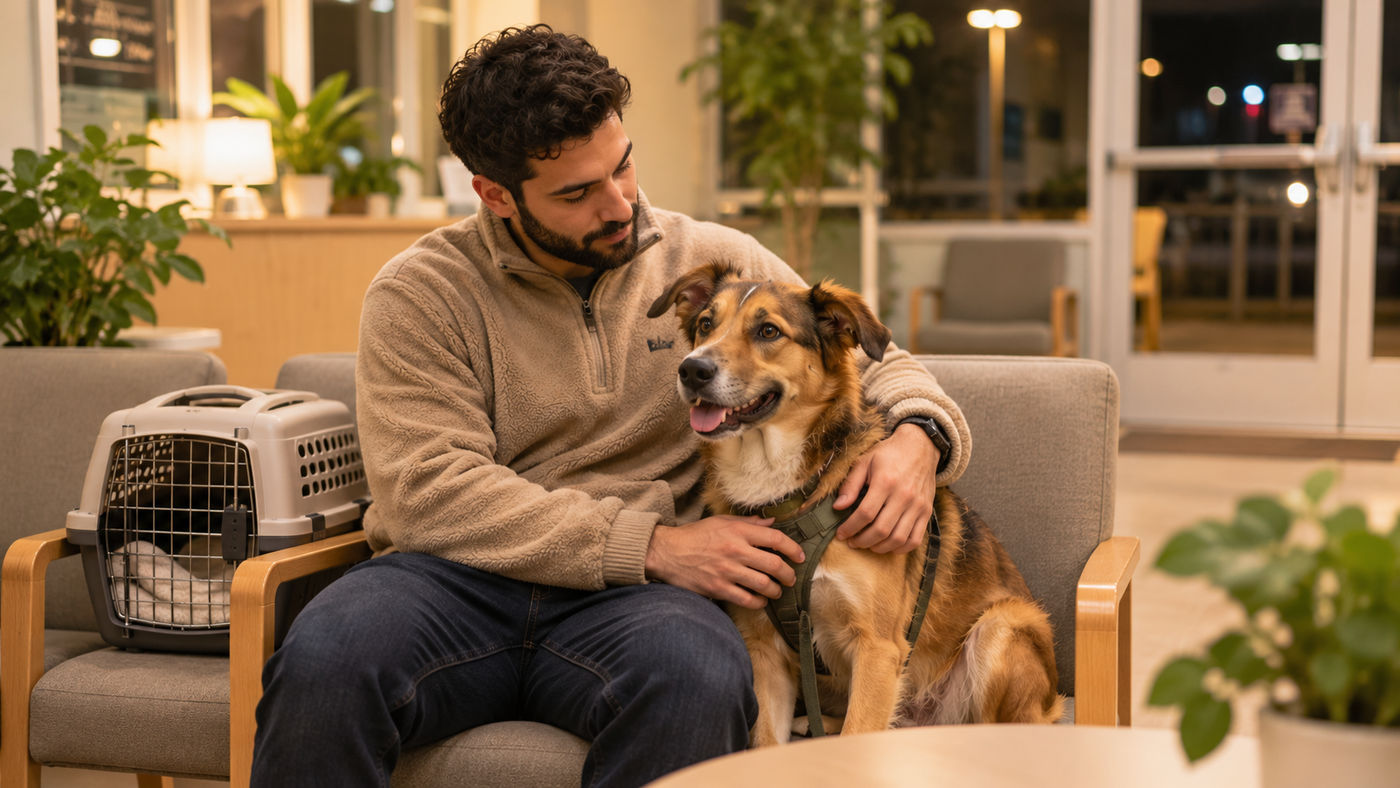
It's 11:40 at night. Your dog has been pacing for an hour, trying to throw up and bringing up nothing, and you're standing in the kitchen with your car keys in one hand and your phone in the other, trying to decide whether you're overreacting.
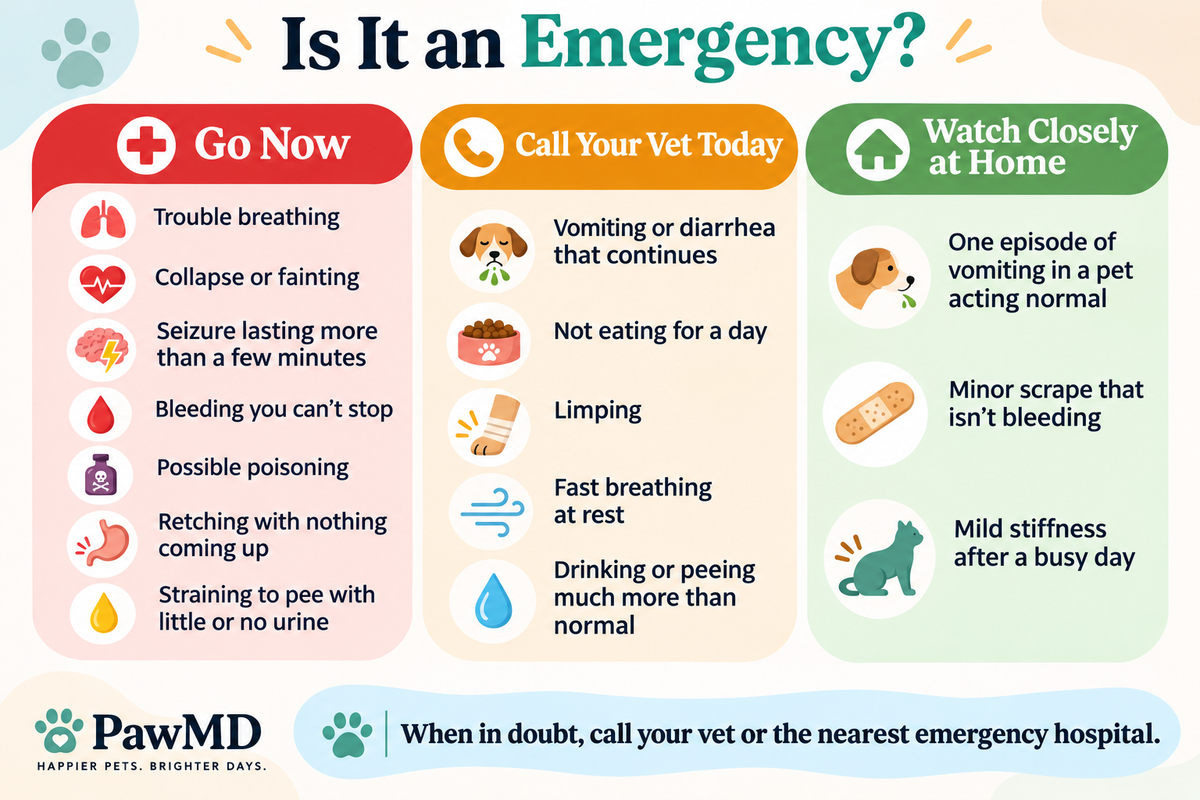
Here's the short answer: go to an emergency vet now if your pet is struggling to breathe, has collapsed or can't stand, is having a seizure, is bleeding heavily, has been hit by a car, may have eaten something toxic, is retching without bringing anything up, or (for cats especially) is straining to pee with little or nothing coming out. For signs that worry you but aren't on that list, call your veterinarian or an emergency hospital and describe what you're seeing. They can tell you whether to come in tonight, tomorrow, or watch at home.
And if you're truly unsure, it's always okay to go. No emergency team will be annoyed that you brought in a pet who turned out to be fine.
How do I know if it's really an
emergency?
The difficult part is that pets can't tell us what hurts. Veterinarians work from signs, the things we can see, rather than symptoms a patient describes. That means you're the one doing the noticing, and you know your pet's normal better than anyone.
A helpful way to think about it is in three tiers: go now, call today, and watch closely. Most situations fall clearly into one, and when they don't, a phone call sorts it out.
It also helps to look at the whole pet, not just the one thing that caught your eye. A dog who vomited once but is still eating, playing, and acting like themselves is in a very different place from a dog who vomited once and is now lying in a corner, refusing food, and not wanting to move.
What are the signs my pet needs an emergency vet right now?
These are the situations where you don't wait for morning. Call the emergency hospital to let them know you're on the way, and go.
- Trouble breathing: working hard to breathe, noisy or squeaky breathing, or blue, purple, or very pale gums. In cats, open-mouth breathing (panting like a dog) is a sign of serious distress.
- Collapse, fainting, or sudden severe weakness, even if your pet recovers quickly.
- A seizure that lasts more than a few minutes, or seizures that come one after another.
- Heavy or nonstop bleeding, or any bleeding you can't control with pressure.
- Being hit by a car, falling from a height, or another major injury, even if your pet seems fine.
- Possible poisoning: chocolate, sugar-free products with xylitol, rat poison, human medications, cannabis, antifreeze, toxic plants, or anything else you're worried about.
- Retching or trying to vomit without bringing anything up, especially with drooling, restlessness, or a swollen belly. This can be a sign of bloat, which is life-threatening.
- Straining to urinate with little or no urine coming out, especially in male cats.
- Repeated vomiting, vomiting blood, or black, tar-like stool.
- Signs of severe pain: crying out, not letting you touch them, or a hunched, rigid posture.
- Overheating: heavy panting, drooling, stumbling, or bright red or purple gums after time in heat or a hot car. Heatstroke can be life-threatening and needs immediate treatment.
- An eye injury, or an eye that suddenly looks cloudy, bulging, or very painful.
- Trouble giving birth, or a new mother who seems weak, shaky, or unwell.
A few of these deserve a closer look.
Breathing problems are always urgent. Labored breathing is a medical emergency, and pets in severe distress often need to be stabilized, sometimes with oxygen, before they can even handle testing. Short-nosed breeds like pugs and bulldogs are especially at risk on hot, humid days. If your pet is overheated, keeping them cool on the way, such as running the car's air conditioning, can help.
Seizures can look frightening, and even a short one is worth a call. Seizures lasting longer than about 3 to 5 minutes can lead to serious complications, so a long seizure, or one seizure following another, means go now. Keep your hands away from your pet's mouth and move furniture out of the way rather than trying to hold them.
Fainting is easy to dismiss because the pet often seems fine a minute later. A quick recovery isn't a reason to skip the vet, because some of the causes, including heart disease, are serious.
Bloat (gastric dilatation-volvulus) happens when the stomach fills with gas and can twist. It's most common in large, deep-chested dogs. The classic signs are drooling, repeated unproductive retching, restlessness, and pacing, and the belly doesn't always look swollen. Bloat needs emergency care right away, and the earlier treatment starts, the better a dog's chances.
A blocked bladder is one of the most important emergencies for cat owners to know about. Straining in the litter box is often mistaken for constipation, but it can be a urinary blockage, which is more common in male cats and can become critical within hours.
Being hit by a car always means an emergency visit, day or night. Pets can look mostly okay while hiding internal injuries, and some problems don't show up for days.
Possible poisoning is another reason not to wait for symptoms. Many toxins, like chocolate and xylitol, can take hours to show their effects, and treatment usually works best early. Call your veterinarian or an emergency hospital right away. You can also use ToxCheck, PawMD's toxicity calculator, to check whether the amount your pet ate is likely a concern for their size and get the details together for the call. It's not a diagnosis, so use it alongside that call, never instead of it. If you can't reach a vet, the ASPCA Animal Poison Control Center at (888) 426-4435 and the Pet Poison Helpline at (855) 764-7661 can help, and both may charge a consultation fee. For specific situations, see My Dog Ate Chocolate: What Do I Do? and Halloween Pet Safety.
Which signs mean I should call my vet today?
Some problems aren't a race to the ER, but they shouldn't wait a few days either. If you notice any of these, call your regular veterinarian and try to get your pet seen within the day, or call an emergency hospital if your clinic is closed and you're worried:
- Vomiting or diarrhea that continues beyond a single episode, or happens alongside lethargy or a poor appetite
- Not eating for a day (sooner for cats, puppies, and kittens, who can't safely go long without food)
- A noticeable limp, especially if your pet won't put weight on the leg
- Breathing that seems faster than usual while resting, even without obvious distress
- Drinking or urinating much more than normal
- A new lump that's growing quickly, or a wound that looks infected
- Sudden changes in behavior, hiding, or unusual tiredness
- Squinting, red eyes, or ear pain with head shaking
When you call, describe what you're seeing as specifically as you can. Your veterinary team may tell you it can wait for a regular appointment, or they may want you to come in sooner. Either way, you'll have a plan.
When is it okay to watch my pet at home?
Plenty of things really can wait. A single episode of vomiting or loose stool in an adult pet who's otherwise bright, eating, drinking, and acting normal is often fine to monitor closely. So is a minor scrape that isn't bleeding, a slightly upset stomach after a new treat, or mild stiffness after an unusually active day.
The key word is closely. Keep an eye on appetite, energy, breathing, bathroom habits, and behavior, and set a mental line: if things get worse, new signs appear, or your pet just doesn't seem like themselves, call. Our post on vomiting or diarrhea in dogs and cats walks through this kind of judgment call in more detail.
Puppies, kittens, senior pets, and pets with existing conditions like diabetes, heart disease, or kidney disease have less room to spare, so lean toward calling sooner with them.
Why does knowing my pet's normal matter?
It's much easier to spot a problem when you know what normal looks like. It helps to give your pet a quick at-home check every so often, when nothing is wrong, so you get used to their usual breathing, gum color, energy, and habits.
That way, when something changes, you'll notice sooner and be able to describe it more clearly, which helps your veterinarian a great deal.
How do I get my pet to the emergency vet safely?
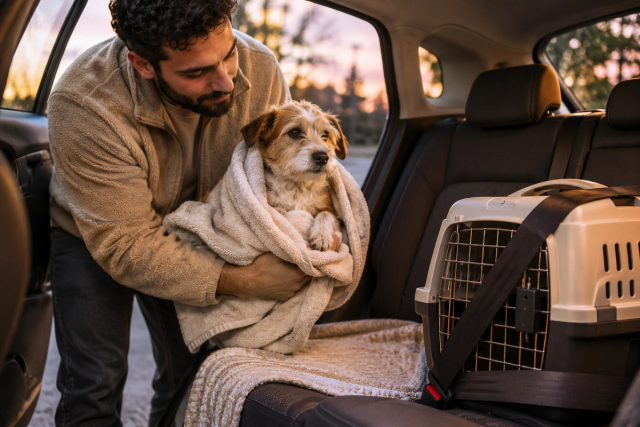
Start with a phone call if you can. Letting the emergency hospital know you're coming gives them time to prepare and lets them give you any first-aid instructions on the way.
Then think about safety, both yours and your pet's. A frightened or hurting pet may bite, even if they've never bitten before. Keep your face away from their mouth, move slowly, and ask someone to help if you can.
Move an injured pet as little as possible. Small dogs and cats travel best in a carrier or a sturdy box with a lid. For larger dogs, a board, a firm blanket, or a piece of cardboard can work as a stretcher, which is especially important if you suspect a back or neck injury. Avoid pressing on the belly, and if your pet is having trouble breathing, let them stay in whatever position seems most comfortable.
If your pet is bleeding, apply gentle, steady pressure with a clean cloth or gauze. If it soaks through, add another layer on top rather than pulling the first one off.
If you can, bring along any packaging from something your pet may have eaten, a list of their medications, and their vaccine and medical records. Having another person drive while you keep your pet calm can make the trip much easier.
What about the cost, or going in after hours?
It's completely normal to hesitate because of cost or because it's the middle of the night. Emergency care often costs more than a regular visit, and that worry is real.
A few things can help. Call ahead and ask what an initial exam costs, and when you arrive, ask for an estimate before treatment begins. Most emergency teams are used to talking through options and priorities, so it's okay to ask what's most urgent and what could wait. Some hospitals offer payment plans or accept third-party financing, so it's worth asking.
What we'd gently encourage you not to do is wait out a true emergency because you're worried about the bill. Many emergencies, like bloat, a urinary blockage, or a toxin, are easier to treat when they're caught early.
How can PawMD help when I'm not sure?
A lot of late-night worry isn't about clear emergencies. It's about the in-between moments when you just want someone to tell you whether this can wait until morning.
That's where the PawMD app can help. You can connect with licensed veterinarians by chat, phone, or video to talk through what you're seeing and get a sense of how urgent it is. For true emergencies like trouble breathing, collapse, seizures, or major trauma, though, don't stop to start a chat. Go straight to an emergency veterinary hospital.
PawMD's records vault keeps your pet's vaccines, labs, visit notes, and files in one place, so you can pull them up at the ER front desk instead of trying to remember everything under pressure. And if your regular clinic uses Vetly, you can message your own clinic's team from the app for follow-up, and they'll see the same record.
Frequently Asked Questions
How do I know if my dog or cat needs an emergency vet?
Go right away for trouble breathing, collapse, seizures, heavy bleeding, major injuries, possible poisoning, unproductive retching, or a cat straining to pee. For anything else that worries you, call your vet or an emergency hospital and describe what you're seeing.
Is it better to go to the ER or wait for my regular vet?
If it's a true emergency, go to the ER. If you're unsure, call your regular vet first if they're open, or an emergency hospital if they're not. They can help you decide.
Can I call an emergency vet before going in?
Yes, and it's a good idea. Calling ahead lets them prepare for your pet and give you instructions for the trip.
What should I bring to the emergency vet?
Bring your pet safely contained, any packaging from something they may have eaten, a list of their medications, and their medical records if you have them handy.
Can a vet visit by phone or video tell me if it's an emergency?
A telehealth visit can help you talk through what you're seeing and decide on next steps when you're unsure. For clear emergencies like trouble breathing, collapse, or seizures, skip the call and go straight to an emergency hospital.
Why is a cat straining in the litter box an emergency?
It may be a urinary blockage, especially in male cats, and that can become life-threatening within hours. It often looks like constipation, so it's worth calling right away.
What if I can't afford the emergency vet?
Call ahead and ask about exam costs, ask for an estimate before treatment, and ask whether payment plans or financing are available. Try not to let cost delay care in a true emergency, since many conditions are easier to treat early.
The Bottom Line
You don't have to be certain before you call. Trouble breathing, collapse, seizures, heavy bleeding, major trauma, possible poisoning, unproductive retching, and a cat who can't pee all mean go now. Other worrying signs mean call your vet today, and a pet who's still bright and acting like themselves can often be watched closely at home.
Get to know your pet's normal, keep their records within reach, and save your emergency hospital's number in your phone before you ever need it.
When your gut says something is wrong, listen to it. You know your pet better than anyone, and a trip that turns out to be unnecessary is always better than one that came too late.
Related reading: Vomiting or Diarrhea in Dogs and Cats: What to Do and When to Worry · My Dog Ate Chocolate: What Do I Do? · Halloween Pet Safety: Candy, Costumes, and Door Dashers
Sources:
Emergency · Bloat · Breathing · Bleeding · First Aid · Pet Safety
Related articles
- What Are the Winter Holiday Hazards for Pets?
First Aid & Emergencies
- My Dog Swallowed a Sock or Toy: What Do I Do?
First Aid & Emergencies
- Halloween Pet Safety: Candy, Costumes, and Door Dashers
First Aid & Emergencies
This article is for general information and is not a substitute for veterinary advice. Contact a veterinarian if your pet is in distress or you are unsure what to do next.