
My Cat Isn't Eating: When Should I Worry?
PawMD
November 6, 2026
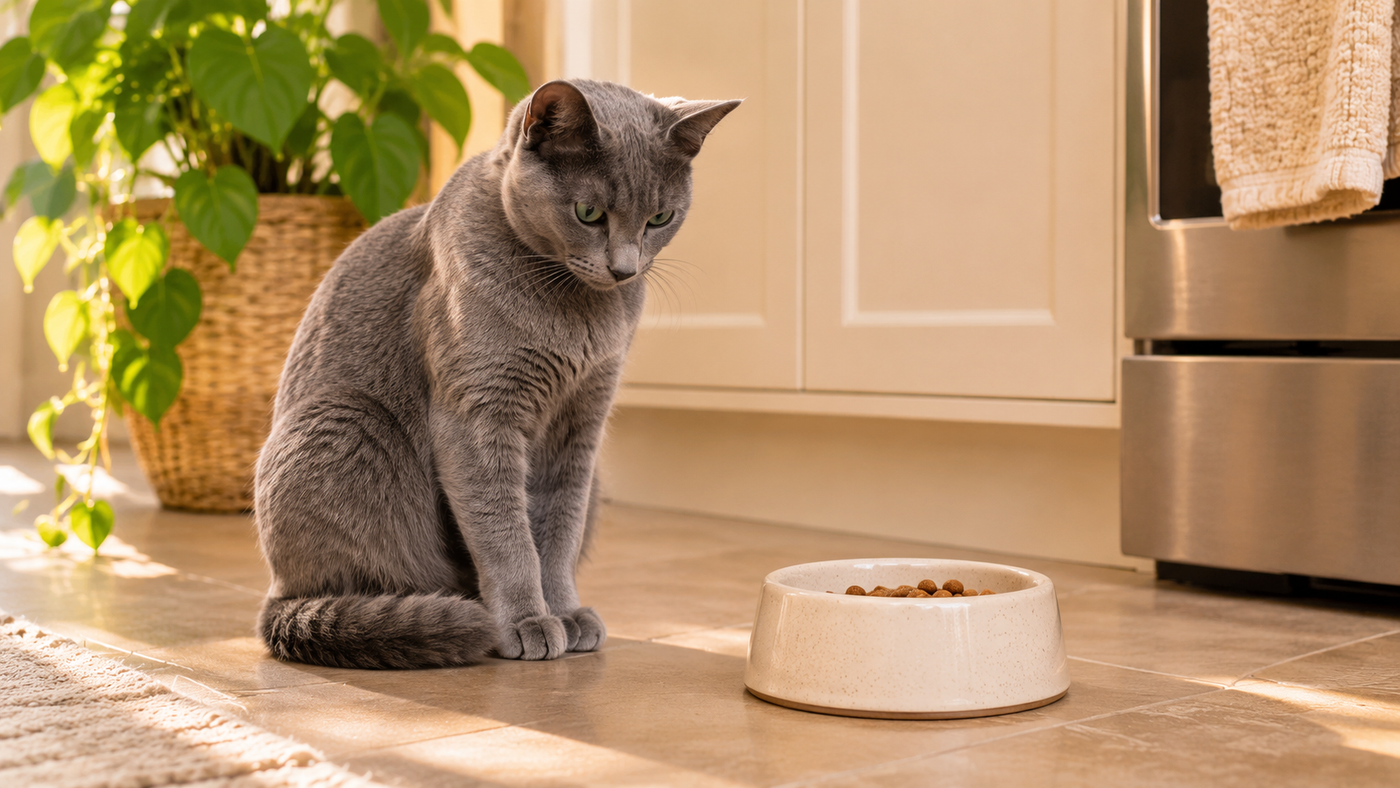
The food bowl is still full this morning, and your cat walked away after a sniff. Or they're hiding under the bed and haven't touched breakfast or dinner.
If your cat has stopped eating, don't wait it out the way you might with a dog who skipped a meal. Call your veterinarian. In cats, even a day without food can start to matter, and kittens can get into trouble even sooner. A stretch of poor appetite can lead to a serious liver problem called hepatic lipidosis, or fatty liver, especially in overweight cats. The sooner you get help, the easier it usually is to protect the liver and find out why your cat stopped eating in the first place.
A cat who is also vomiting, drooling, hiding, weak, having trouble breathing, or showing yellow gums or skin should be seen promptly, often as an emergency.
Why is it riskier when a cat stops eating?
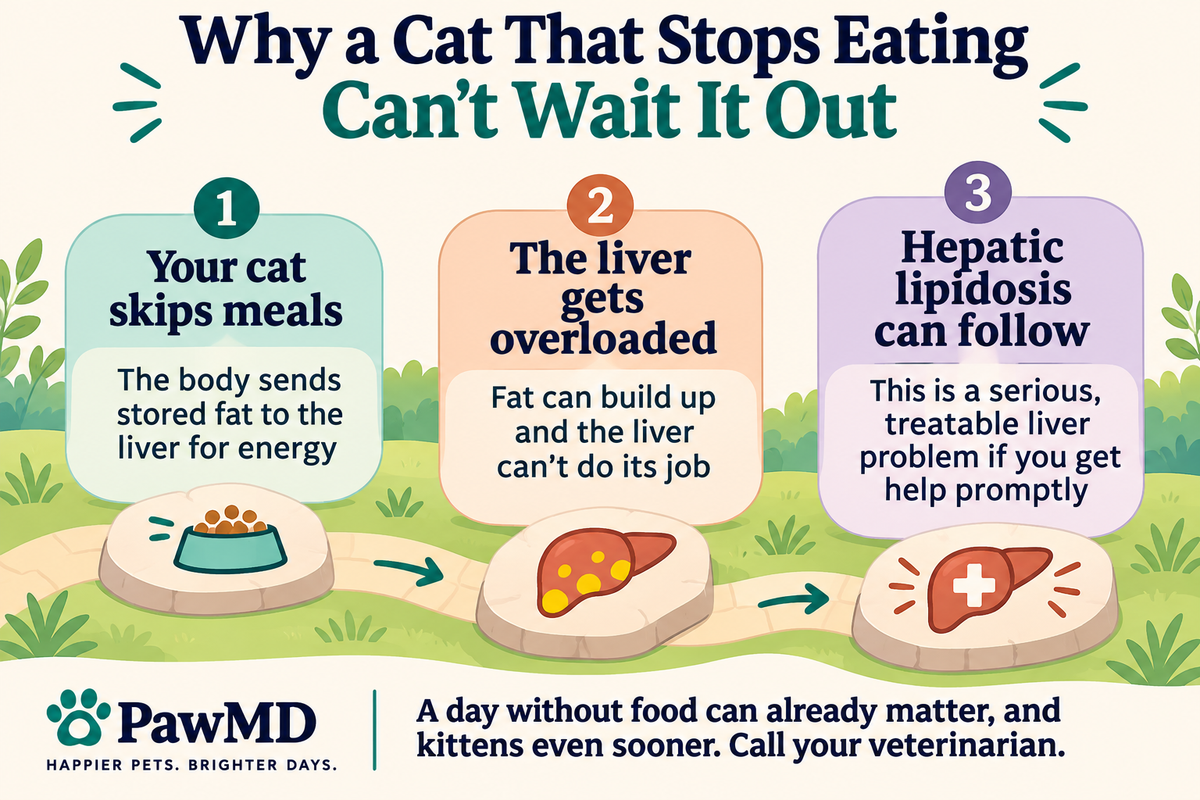
Cats are built to eat regularly. When they suddenly take in far fewer calories, the body starts sending stored fat to the liver for energy. A cat's liver can have a hard time keeping up with that sudden load. Fat can build up inside the liver cells and keep the organ from doing its job.
That doesn't mean every missed snack becomes a crisis. It does mean that "let's give it a few days" is a riskier plan in cats than many people expect. Cornell University's Feline Health Center notes that a sustained loss of appetite can already have a serious impact on a mature cat in as little as 24 hours, and that food avoidance for as little as 12 hours can be dangerous for a kitten under six weeks old.
Overweight cats are at higher risk once they stop eating, but hepatic lipidosis can appear in cats of many ages and body types. The safe move is not to guess which cat will be fine. If eating has clearly dropped off, call.
What is hepatic lipidosis?
Hepatic lipidosis, often called fatty liver syndrome, is a common and serious form of liver disease in cats. It happens when too much fat collects in the liver and starts to interfere with normal function. If it isn't treated, it can be fatal. With prompt care, many cats recover, and it does not usually come back once they do.
In most cases, it isn't a problem that appears out of nowhere. It often follows a period of poor appetite lasting a few days or longer, and it is frequently tied to another issue that made the cat stop eating: an illness, dental pain, a stressful change, or a diet they suddenly refuse. The liver problem then becomes an emergency of its own, on top of whatever started the appetite loss.
Signs can include a dramatic drop in appetite and weight, vomiting, lethargy, diarrhea, drooling, and jaundice, which can show up as a yellow tinge to the gums, the skin in the ears, or the whites of the eyes. Some cats become withdrawn and stay away from the food bowl, as if they're wary of it. In more advanced cases, a cat may have trouble holding their head up.
None of those signs lets you diagnose fatty liver at home. They are reasons to get your cat examined.
What are common reasons a cat stops eating?
A cat who isn't eating is not "just being picky" in a way you should ignore. Loss of appetite is a sign, and the list of possible causes is long.
Illness is high on that list. Dental disease and mouth pain can make chewing uncomfortable. Kidney disease, pancreatitis, diabetes, hyperthyroidism, liver disease, infections, and fever can all reduce appetite. Stomach upset, constipation, and pain anywhere in the body can too. If your cat is also vomiting, see Vomiting or Diarrhea in Dogs and Cats: What to Do and When to Worry.
Stress and change matter more in cats than many owners expect. A new food, a sudden diet change (including a well-meant weight-loss diet), a move, boarding, a new pet, a lost companion, or even a change in the household routine can be enough for some cats to walk away from the bowl.
It's also worth thinking about toxins and objects. A cat who ate a lily, a human medication, a string, or something from the trash may stop eating after they start to feel sick. For lilies and other holiday plants, see What Are the Winter Holiday Hazards for Pets?. For human medicines, see Which Human Medications Are Poisonous to Pets?.
You don't need to figure out the cause before you call. In fact, you shouldn't wait until you have a theory. The veterinarian's job is to look for the reason and, just as important, to get nutrition back in before the liver pays the price.
When should I call the veterinarian?
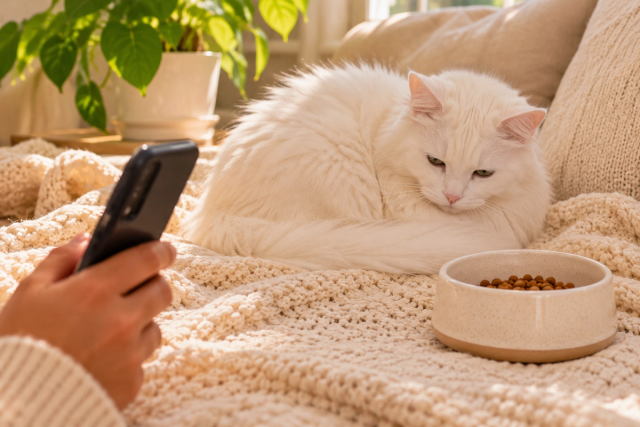
If your cat has stopped eating, or is eating much less than usual, call your veterinarian today. Don't wait for weight loss or yellow gums to appear.
Get help even sooner, and consider an emergency visit, if your cat:
- Hasn't eaten and is a kitten, a senior, or already underweight or overweight
- Is also vomiting, drooling, or unable to keep water down
- Is hiding, unusually quiet, weak, or wobbly
- Has yellow gums, yellow skin in the ears, or yellow in the whites of the eyes
- Has a painful abdomen, is having trouble breathing, is collapsing, or seems critically ill
- May have eaten something toxic, a lily, or a string or other object
- Has a condition such as diabetes or kidney disease, or is on medication that depends on regular eating
If you're unsure whether it can wait until regular clinic hours, call anyway and describe what you're seeing. For broader emergency signs, see When to Take Your Pet to the Emergency Vet.
A cat who still nibbles a little, but far less than usual, still deserves a call, especially if the change has lasted more than a meal or two or the cat seems off in other ways.
What should I tell the vet, and what might they do?
The more specific you can be, the more helpful the conversation will be. Try to note:
- When your cat last ate, and how much
- Whether they're drinking
- Any vomiting, drooling, diarrhea, or changes in the litter box
- Weight loss, if you've noticed it, and over what period
- Whether they're hiding, less social, or in pain when you touch their mouth or belly
- Any new food, treats, people, pets, or household changes
- Current medications and health conditions
- Anything they might have eaten that they shouldn't have
Your veterinarian will usually start with a thorough exam, including the mouth and teeth, and may recommend bloodwork, a urine test, and imaging such as X-rays or ultrasound. The goal is both to look for a cause and to see whether the liver and the rest of the body are already under strain.
Treatment depends on what they find. Many cats need fluids and supportive care. Some are started on a prescribed appetite stimulant, especially early on. If your cat still won't eat enough, a feeding tube is often the kindest and most reliable way to get nutrition in while the underlying problem is treated. That can sound dramatic. In practice, it can keep a cat from getting sicker and avoids the stress of wrestling food into their mouth.
If hepatic lipidosis is diagnosed early and nutrition is started promptly, the outlook is often good. Your veterinarian will also want to treat whatever caused the appetite loss, when it can be found.
What should I not do at home?
Don't decide to wait several days "to see if they get hungry." In cats, that pause is part of the risk.
Don't force-feed by prying the mouth open and pushing food in. It can make a cat even more averse to eating, and it can lead to choking or food going down the wrong way. If your veterinarian recommends a specific assisted-feeding plan, follow their instructions rather than improvising with tuna or leftover human food.
Don't give human medications, including pain relievers or appetite products from your own cabinet, unless your veterinarian has told you to. And don't suddenly swap in a brand-new diet as a test at the same moment your cat is already refusing food, unless your veterinarian has asked you to try a particular food.
It's fine to offer the usual food, keep the bowl in a quiet spot, and make sure water is available. Then call. Tempting them to eat is not a substitute for an exam once appetite has clearly dropped.
How can PawMD help?
When you're trying to remember when the last full meal was, what medications your cat is on, or how much weight they've lost, details can blur together. The PawMD app keeps your pet's profile, daily care notes, and records in one place so you have them when you call your veterinarian. PawMD also connects you with licensed veterinarians by chat, phone, or video. That can be a useful way to talk through what you're seeing, but it doesn't replace an in-person exam when a cat isn't eating, and it isn't the right path for an emergency.
Frequently Asked Questions
How long can a cat go without eating?
There isn't a safe number of days to wait and see. A day without food can already matter in an adult cat, and kittens can get into trouble even sooner. If your cat has stopped eating, call your veterinarian rather than watching the calendar.
Can a cat get fatty liver from not eating?
Yes. When a cat stops eating, stored fat can flood the liver and lead to hepatic lipidosis, especially in overweight cats. It is serious, and it is often treatable if you get help promptly.
My cat is still drinking. Is that enough?
Drinking is a good sign, but it doesn't replace food. A cat can still develop problems from not eating even if they're taking in water. Mention both appetite and water intake when you call.
Should I force-feed my cat at home?
It's better not to, unless your veterinarian has given you a specific plan. Forcing food into a cat's mouth can worsen their aversion to eating. Vets often use a feeding tube when a cat needs nutrition support.
What if my cat is just a picky eater?
Some cats are choosy about food, but a sudden change, especially along with hiding, vomiting, drooling, or weight loss, is not a personality quirk. When in doubt, call and describe what's different from their usual pattern.
Is this an emergency if my cat is otherwise acting normal?
Call your veterinarian today either way. If your cat seems otherwise normal, they may advise an appointment as soon as possible rather than a late-night emergency visit. If anything else is off, or your cat is a kitten, a senior, or already sick, don't wait.
The Bottom Line
A cat who isn't eating needs a veterinarian, not a few more days of hope and a new flavor of food. Appetite loss can be the first sign of many illnesses, and in cats it can quickly become a liver problem of its own.
The kindest thing you can do is call earlier than you think you need to, while there's still time to get them eating again.
Related reading: When to Take Your Pet to the Emergency Vet · Vomiting or Diarrhea in Dogs and Cats: What to Do and When to Worry · What Are the Winter Holiday Hazards for Pets? · Which Human Medications Are Poisonous to Pets?
Sources
Cats · Emergency · Pet Safety · First Aid
Related articles
- Why Is My Dog or Cat So Itchy? The 3 Big Allergy Triggers
Symptoms & Health Conditions
- My Dog Ate Rat Poison: What Do I Do?
Food, Nutrition & Toxins
- What Are the Winter Holiday Hazards for Pets?
First Aid & Emergencies
This article is for general information and is not a substitute for veterinary advice. Contact a veterinarian if your pet is in distress or you are unsure what to do next.